
Hobelmaschinen-Auswahl
Add a review FollowOverview
-
Founded Date 1926 March 7
-
Sectors Furniture makers - Carpenter
-
Posted Jobs 0
-
Viewed 16

Company Description
Speak “Yes” To These 5 Planing Machines Selection Tips
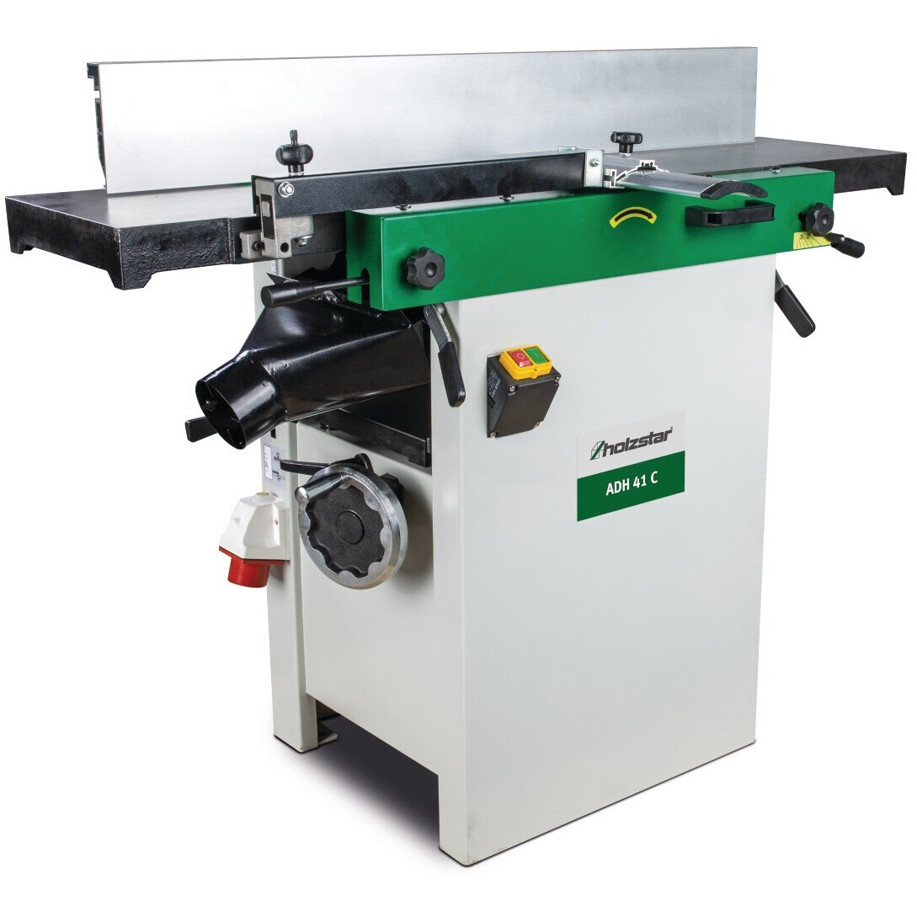
Selecting the Right Planing Machine: A Comprehensive Guide
Planing machines play a crucial function in the woodworking industry, shaping and smoothing wood surface areas to perfection. With numerous types and models available, selecting the ideal planing device can substantially affect the performance and quality of woodworking projects. This post looks into the essential aspects that need to be taken into factor to consider while choosing a planing device and offers an overview of popular models on the marketplace.
Comprehending Planing Machines
Planing machines, often referred to as density planers, are created to decrease the density of wood boards while also offering a smooth surface area finish. These machines work by feeding the wood through a series of turning knives that get rid of material from the surface area. There are several kinds of planing machines, each suitable for different applications and levels of woodworking proficiency.
Common Types of Planing Machines
- Thickness Planer: Primarily used to attain uniform thickness across boards.
- Benchtop Planer: Compact and portable, fit for hobbyists or smaller sized shops.
- Floor Model Planer: Larger systems ideal for Hobelmaschinen Für Kleines Budget Für Holzbearbeitungsprojekte (http://git.iouou.cn/hobelmaschinen-onlineshop3066) professional woodworkers and industrial usage.
- Dual-Head Planer: Equipped with two sets of cutting blades, permitting more effective processing.
Secret Factors to Consider
When selecting a planing device, it is vital to think about numerous factors that impact device efficiency, performance, and viability for particular jobs. Below is a summary table of these essential aspects:
| Factor | Description |
|---|---|
| Type of Work | Identify whether you require the maker for personal projects, hobby work, or business production. |
| Size and Portability | Think about the work space available and whether you’ll need to move the machine frequently. |
| Cutting Capacity | Evaluate the maximum width and thickness of the wood you plan to deal with. |
| Power Source | Select between electric, manual, or other types based on your specific needs and facilities. |
| Speed and Feed Rate | Assess the speed of the machine and its feed rate to make sure effectiveness. |
| Adjustability | Look for easy adjustment features for varying thickness settings and a smooth finish. |
| Blade Quality | Consider the type and quality of the blades, as they will impact longevity and efficiency. |
| Budget | Define your budget upfront as prices can vary considerably based upon features and brand name. |
A Closer Look at Popular Planing Machines
To help readers in making a notified decision, a relative table of numerous popular planing machines is offered listed below:
| Machine Model | Type | Cutting Capacity (Width x Thickness) | Power Source | Price Range |
|---|---|---|---|---|
| DeWalt DW735X | Density Planer | 13″ x 6″ | 15 Amp Electric | ₤ 600 – ₤ 800 |
| Makita 2012NB | Benchtop Planer | 12″ x 1/8″ | 15 Amp Electric | ₤ 400 – ₤ 500 |
| Grizzly G0504 | Floor Model | 20″ x 10″ | 5 HP Electric | ₤ 1,500 – ₤ 2,000 |
| Jet JWP-208HH | Dual-Head Planer | 20″ x 8″ | 3 HP Electric | ₤ 3,000 – ₤ 4,000 |
Tips for Selecting the Right Planing Machine
- Evaluate Work Needs: Identify the type of woodworking tasks you will undertake.
- Area Assessment: Measure the workspace to make sure the selected device fits conveniently.
- User-Friendly Design: Opt for machines with user-friendly controls for easy operation, especially for novices.
- Research Brands: Investigate respectable brands known for toughness and after-sales assistance.
- Check out Reviews: Look for customer feedback that can offer insights into device performance and reliability.
Regularly Asked Questions (FAQ)
1. How frequently should I replace the blades on my planing machine?
Blades ought to be changed whenever they pall or broke. Depending upon the frequency of usage and the type of wood being processed, this can vary from every few weeks to several months.
2. Can a planing machine be utilized for wood and softwood?
Yes, most planing machines can manage both wood and softwood. However, the performance and durability might vary depending upon the maker and blade quality.
3. What safety precautions should be taken when using a planing machine?
Constantly wear security goggles, guarantee the maker is properly grounded, and keep hands far from moving parts throughout operation. Acquaint yourself with the device’s security features before usage.
4. Is there a substantial difference between benchtop and flooring model planers?
Yes, benchtop planers are smaller and portable, suitable for DIY projects, Hobelmaschinen mit garantie while floor Gebrauchte Hobelmaschinen Kaufen FüR Die Holzbearbeitung [Moversranking.Com] design planers are bigger, more powerful, and designed for industrial woodworking applications.
5. How do I preserve my planing machine for optimum performance?
Regularly tidy the machine, look for loose parts, hone or change blades, and ensure all moving parts are lubricated based on the manufacturer’s guidelines.
Choosing the ideal planing device is critical for achieving optimal outcomes in woodworking projects. By bearing in mind the various aspects, comparing models, and considering personal requirements, woodworkers can guarantee they select a device that fulfills their requirements. Investing effort and time in this selection procedure will settle in the long run with enhanced efficiency and remarkable craftsmanship. Whether for individual use or professional purposes, a well-chosen planing maker will improve the quality of the finished product and broaden innovative possibilities.